


Why do we prefer DC gear motors over AC motors
Leave a message
Introduction
DC gear motors, due to their low speed, high torque, and compact design, have become an ideal choice for many precision control devices. By combining a DC motor with a gear reducer, they not only enhance power output but also enable flexible speed adjustment, making them widely used in fields such as robotics, smart home devices, and medical equipment.
This article will delve into the definition, working principles, and applications of DC gear motors in various devices. We will also compare the advantages of DC gear motors with stepper motors and AC motors, helping you better understand why DC motors hold a significant position in modern technology.
What is a DC gear motor
A DC gear motor is a low-speed, high-torque motor that integrates a DC motor with a gear reducer, also known as a gear reduction motor. Its main function is to reduce the motor's speed through a gear transmission mechanism while increasing output torque to meet the power requirements of various mechanical devices. This integrated design not only saves space but also improves efficiency, making it highly suitable for scenarios requiring precision control and low-power output.
The working principle of a DC gear motor is based on the collaboration between the DC motor and the gear assembly. The DC motor generates rotational power through the interaction of electric current and magnetic fields, while the gear reducer converts this high-speed rotation into low-speed, high-torque output. By adjusting the gear ratio, this motor can provide flexible speed control and stable power output, making it widely applicable in various complex devices.
In practical applications, DC gear motors are extensively used in robotics, smart home devices, model airplanes, small machine tools, and medical equipment due to their small size, simple structure, and reliable operation. For example, in robotics, they are used to drive joints and achieve precise motion control; in household appliances such as electric curtains or smart locks, they provide quiet and efficient power for small devices; in medical settings, they deliver high-precision output for precision equipment like infusion pumps.
What is the difference between a DC gear motor and a stepper motor
The differences between a DC gear motor and a stepper motor are mainly reflected in the following aspects: "working principle," "control method," "efficiency and energy consumption," "structural characteristics," and "application fields."
Working Principle:
DC gear motor: A DC gear motor combines the characteristics of a DC motor and a gearbox. Its working principle involves generating rotational mechanical energy through electromagnetic interaction between the brushes and the armature, followed by reducing speed and increasing torque through the gear system. The rotational speed of the DC motor is proportional to the applied voltage, while the gearbox serves to achieve higher torque output through speed reduction.
Stepper motor: A stepper gear motor combines a stepper motor with a gearbox. The stepper motor achieves stepwise rotation of the rotor at fixed angles by controlling the current pulses, enabling precise control of the motor's angle and position. The gearbox is used to reduce speed and increase torque output. A stepper gear motor can control precise rotational angles and positions without a feedback system, using pulse signals.
Control Method:
DC gear motor: Typically adopts closed-loop control, using feedback mechanisms to precisely control the speed and position of the motor. This gives DC motors an advantage in applications requiring continuous rotation or linear motion, such as household appliances, machine tools, and vehicles. Of course, DC motors can also operate under open-loop control, but under open-loop control, they cannot accurately regulate speed and position.
Stepper motor: Uses open-loop control, requiring no feedback system. It controls the motor's rotational angle and speed by manipulating the number and frequency of pulses. This makes stepper motors perform exceptionally well in applications requiring precise control, such as printers and robotics.
Efficiency and Energy Consumption:
DC gear motor: Generally has high efficiency, especially during continuous operation. Since its speed is adjusted by regulating voltage, it has good energy utilization, with its efficiency typically closely related to load and speed.
Stepper motor: Since it uses open-loop control, it often requires a continuous current supply, which may lead to higher energy consumption, especially under low load conditions. Although its precision is high, its energy efficiency can be affected by load and speed.
Structural Characteristics:
| Characteristics | DC gear motor | Stepper gear motor |
| Motor Type | Brushed or brushless DC motor | Brushless stepper motor |
| Motor Control Method | Current-based adjustment, typically using open-loop or closed-loop control | Pulse signal-based control, with rotation controlled by pulse frequency |
| Gearbox | Provides speed reduction and torque increase, commonly with a planetary gearbox | Also provides speed reduction and torque increase, often with a planetary gearbox |
| Structural Complexity | Brushed motors have simple structures, while brushless motors are slightly more complex but more reliable | Relatively complex structure, relying on electronic control systems |
| Noise | Brushed motors generate some noise; brushless motors produce lower noise | Stepper control may produce noise under varying loads |
| Maintenance and Lifespan | Brushed motors require regular brush replacement; brushless motors have low maintenance needs | Brushless design, low maintenance, and long lifespan |
Why DC gear motors are better than AC motors
Through the above introduction, we have understood the differences between them. So, why are DC gear motors better than AC gear motors? The main reasons lie in these aspects: "simple control," "superior starting performance," "compact structure," and "low-cost maintenance."
In terms of control, DC gear motors feature a simpler control method compared to AC gear motors. The speed and direction of DC motors can be adjusted by regulating voltage, making the control system straightforward and easier to implement with closed-loop control. This approach allows DC motors to be more efficient in applications requiring precise adjustment and dynamic response. In contrast, AC gear motors require relatively complex control systems, usually involving inverters or other power electronic devices to adjust frequency and voltage, which increases control difficulty and cost.
In terms of starting performance, DC gear motors generally outperform AC gear motors. DC motors have excellent low-speed starting characteristics, enabling smooth starts without additional starting equipment and offering higher starting torque. In contrast, AC gear motors require additional starting circuits or devices for low-speed starting, and their starting torque is typically smaller. This makes DC gear motors more advantageous in applications that demand high starting torque and quick response.
Regarding compact structure, DC gear motors are often more compact than AC gear motors. DC motors do not require additional converters or inverters and can directly connect to the load, reducing the overall system size and weight. Especially in applications with limited space, the compact design makes them an ideal choice. On the other hand, AC gear motors usually require larger external components to handle voltage conversion and frequency adjustment, adding to the structural complexity.
In terms of maintenance cost, DC gear motors usually require less maintenance. DC motors, especially brushless DC motors, almost eliminate the need for regular brush replacement, making their structure simpler and maintenance costs lower. Conversely, AC gear motors involve more external electronic control devices and generally require professional technical support for maintenance, leading to higher overall maintenance costs. Additionally, in the event of system failure, repairing AC motors is more complex, making DC gear motors more cost-effective for long-term use.
Why do we prefer DC gear motors over AC motors
By now, you probably have a certain understanding of this topic. However, the reasons people prefer DC gear motors go far beyond these. DC gear motors offer significant advantages in areas such as efficiency, stability, portability, safety, and technological support.
In terms of efficiency and stability, DC gear motors typically exhibit higher energy efficiency, especially under low-load and high-load conditions. DC motors can adjust current based on the load, achieving higher energy conversion efficiency. This ensures stable performance during prolonged operation, minimizing unnecessary energy waste. Furthermore, the speed of DC motors is proportional to voltage, allowing more precise control and effectively avoiding instability caused by frequent starts and stops. These characteristics make DC gear motors more favored in applications requiring efficient and stable output.
In terms of portability and usability, DC gear motors are generally more convenient and easier to use than AC motors, thanks to their compact structure and simple control. DC motors can work directly with the load without requiring additional inverters or power adjustment devices, significantly reducing system complexity and enhancing portability. Additionally, many DC motors, especially brushless DC motors, are designed to be lighter, making them suitable for applications with strict space and weight requirements. For example, in small robots or portable devices, DC gear motors are the preferred choice due to their lightweight and easy integration.
In terms of safety, DC gear motors are generally safer than AC motors. DC motors operate at lower voltages and, due to their adjustable current, can better self-regulate under overload or abnormal conditions, reducing the risk of electrical failures and fire hazards. Particularly, brushless DC motors avoid brush friction, which eliminates high-temperature generation during operation, further lowering the likelihood of overheating and enhancing safety during use. In contrast, AC motors, with their high voltage and complex control systems, have higher safety requirements and maintenance challenges.
In terms of technological support, DC gear motors have seen significant technological advancements and development support in recent years. The emergence of brushless DC motors has greatly improved motor efficiency and lifespan while reducing maintenance requirements. With continuous optimization in battery technology and control systems, the application scenarios for DC motors have become increasingly broad. Particularly in areas such as power tools, smart home devices, robotics, and electric vehicles, the use of DC gear motors has become highly mature. Comparatively, AC motors have slower technological updates. While they still dominate certain industrial fields, in applications requiring higher efficiency and flexibility, DC motors are undoubtedly more competitive.
DC Gear Motor Manufacturer
It is precisely because of the advantages of DC gear motors in terms of efficiency, stability, portability, safety, and technological development support that they have become the preferred motors for many modern devices. As a leading DC gear motor manufacturer in China, VSD stands out with significant strengths in product performance, quality assurance, and customization capabilities, providing high-value and reliable DC gear motor solutions to customers worldwide.
The VSD factory spans over 10,000 square meters, with a monthly production capacity of over 4.5 million motors and an on-time delivery rate of up to 99%. All products undergo rigorous testing for noise, waterproofing, dustproofing, and lifespan to ensure high quality and long-lasting stability. Additionally, VSD has extensive customization experience, with 90% of orders being exclusively tailored to customer needs, covering fields such as intelligent robotics, industrial equipment, and electric tools.
With over ten years of industry experience, VSD has become a trusted partner as a DC gear motor manufacturer. If you need high-performance, customizable motor solutions, VSD will be your best choice!
Learn more: VSD DC Gear Motor Manufacturer for Over 10 Years
VSD DC Gear Motor Recommendations
| Product image |
|
|
|
||||
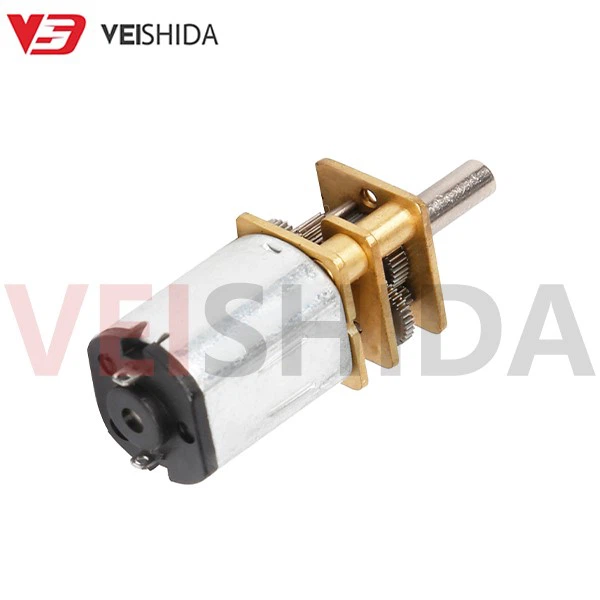
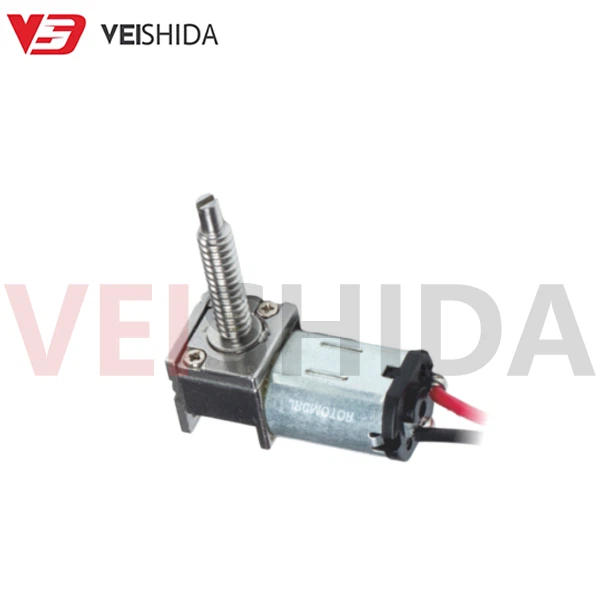
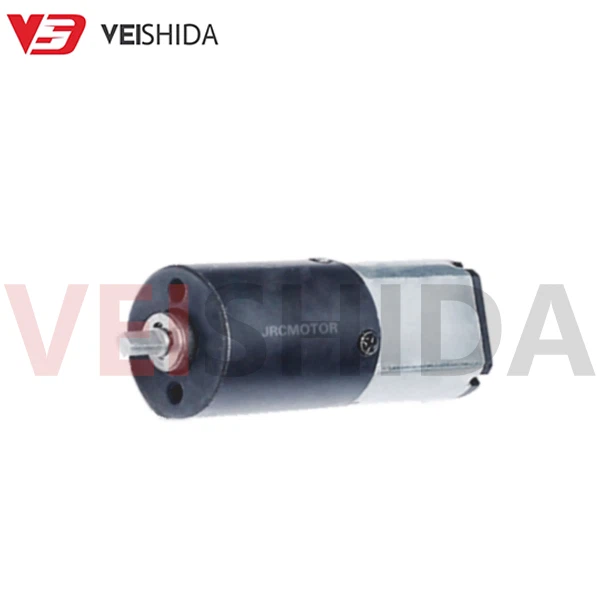
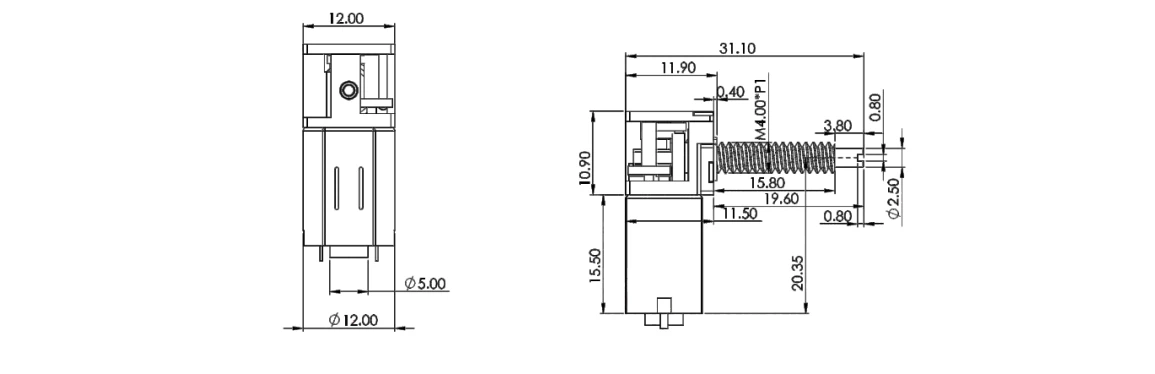
| Motor model | VSD-12FN20 | VSD-N20 | VSD-16P030 | ||||
| VOLTAGE | OPERATING RANGE | 4~5 | 8~14 | 8~16 | 18~26 | 3~12 | 3~12 |
| NOMINAL V |
4.5 | 12 | 12 | 24 | 6 | 12 | |
| NO LOAD | SPEED r/min |
43.5 | 121.94 | 710 | 1546 | 59 | 126.87 |
| CURRNT A |
0.036 | 0.032 | 0.064 | 0.061 | 0.95 | 0.095 | |
| AT MAXIMUM EFFICIENCY | SPEED r/min |
34 | 104 | 544 | 1213 | 43 | 101 |
| CURRENT A |
0.13 | 0.212 | 0.165 | 0.233 | 0.263 | 0.372 | |
| TORQUE mN.m |
82.5 | 154.559 | 14.985 | 25.133 | 182.933 | 301.598 | |
| OUTPUT W |
0.295 | 1.689 | 0.803 | 3.193 | 0.83 | 3.191 | |
| STARTING | TORQUE mN.m |
382.2 | 1071.429 | 53.578 | 116.668 | 689.036 | 1481.621 |
| CURRENT A |
0.471 | 1.255 | 0.424 | 0.849 | 0.727 | 1.454 | |
| Product design |  |
|
|
||||
| Product performance |
|
|
|
||||
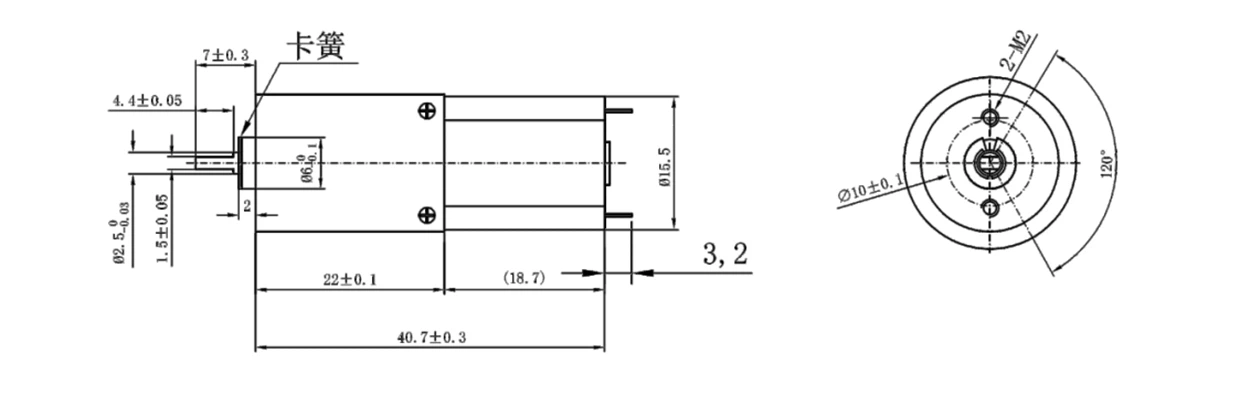
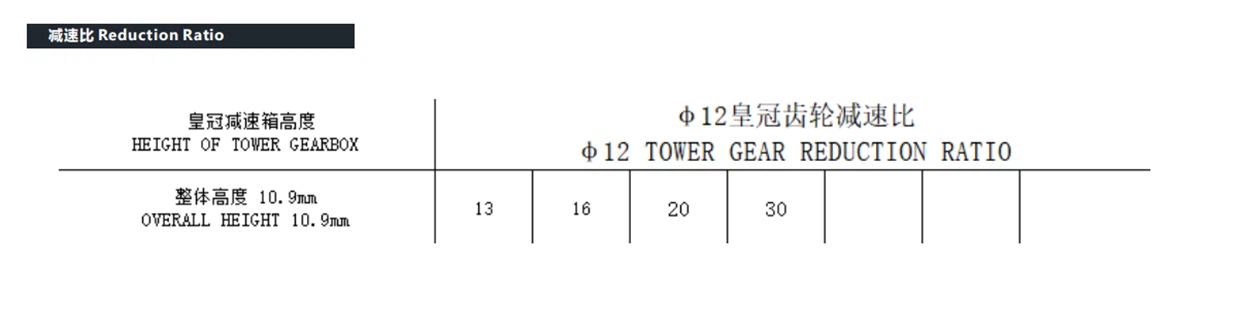

*The above data are from internal test results and do not represent accurate data.
| Product image |
|
|
|
||||
| Motor model | VSD-16P050 | VSD-24P370 | VSD-22PG2233 | ||||
| VOLTAGE | OPERATING RANGE | 6 | 12 | 3~12 | 3~12 | 8~16 | 18~26 |
| NOMINAL V |
6 | 12 | 6 | 12 | 12 | 24 | |
| NO LOAD | SPEED r/min |
26 | 59 | 160.71 | 540 | 107.42 | 229.4 |
| CURRNT A |
0.187 | 0.175 | 0.09 | 0.09 | 0.4 | 0.36 | |
| AT MAXIMUM EFFICIENCY | SPEED r/min |
17 | 42 | 91 | 351 | 80 | 184 |
| CURRENT A |
0.344 | 0.444 | 0.119 | 0.168 | 1.57 | 1.637 | |
| TORQUE mN.m |
225.924 | 410.971 | 8.885 | 24.163 | 558.474 | 991.961 | |
| OUTPUT W |
0.403 | 1.816 | 0.085 | 0.889 | 4.669 | 17.606 | |
| STARTING | TORQUE mN.m |
642.13 | 1456.246 | 20.589 | 69.178 | 2174.499 | 4643.918 |
| CURRENT A |
0.634 | 1.129 | 0.156 | 0.312 | 3.349 | 6.699 | |
| Product design |
|
|
|
||||
| Product performance |
|
|
|
||||
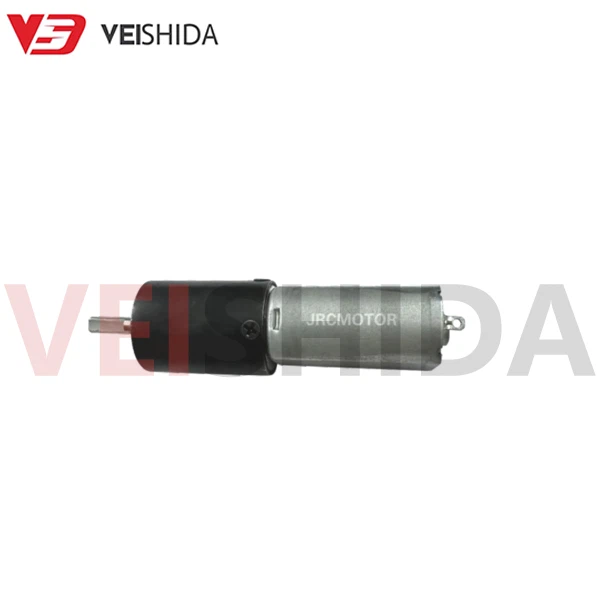
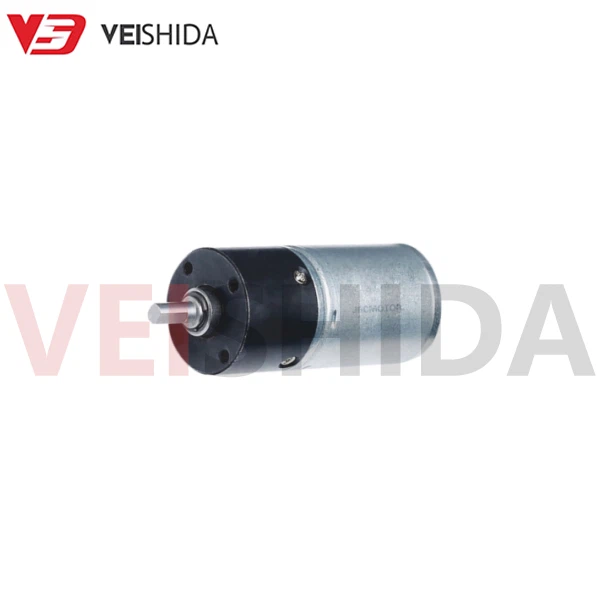
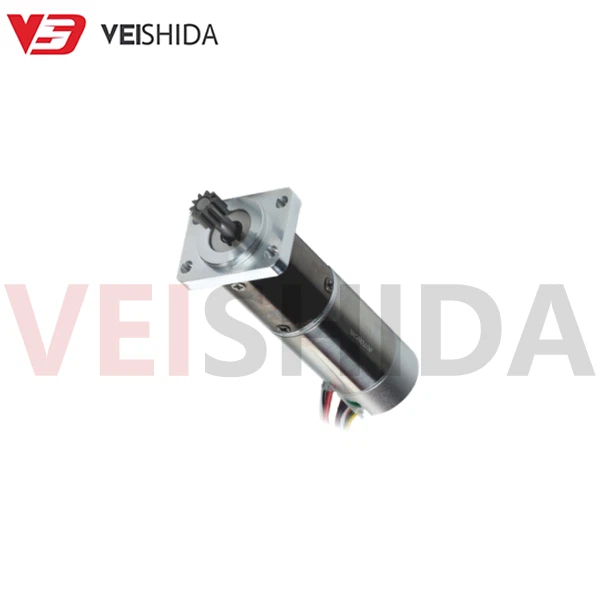

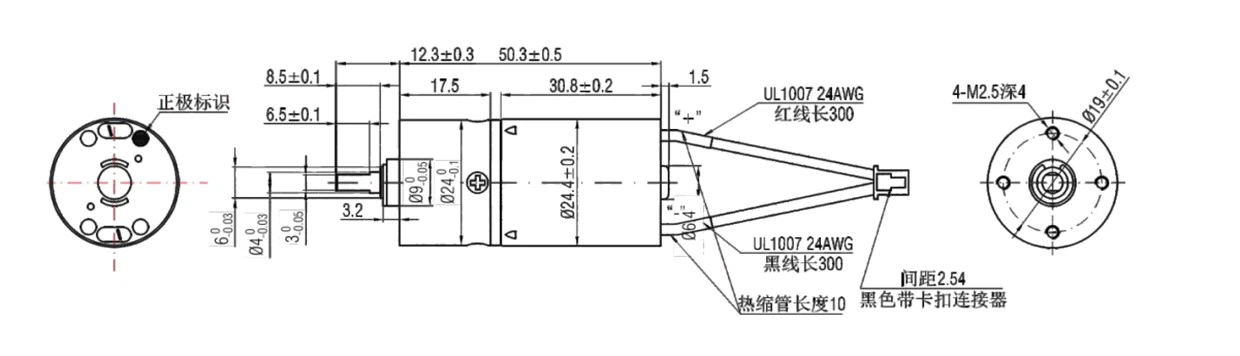
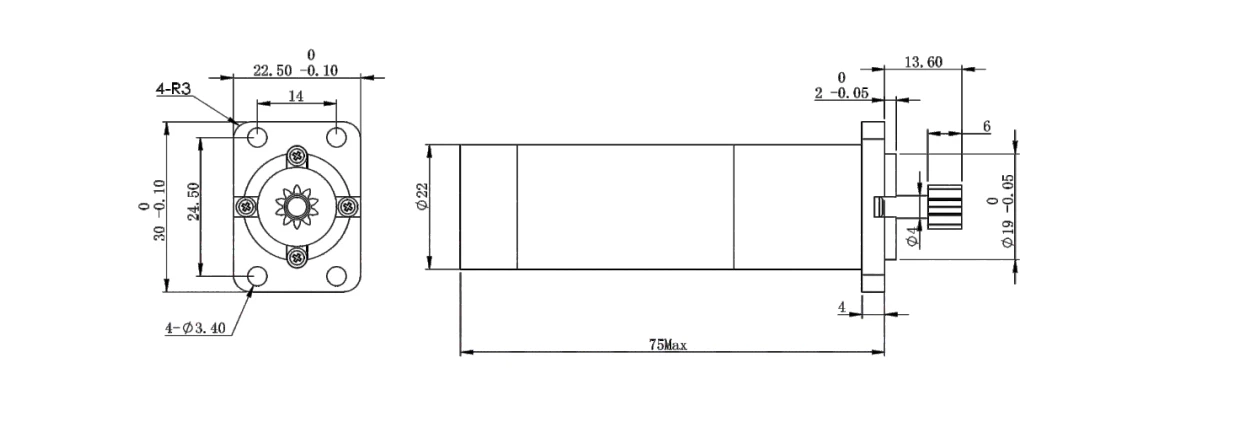
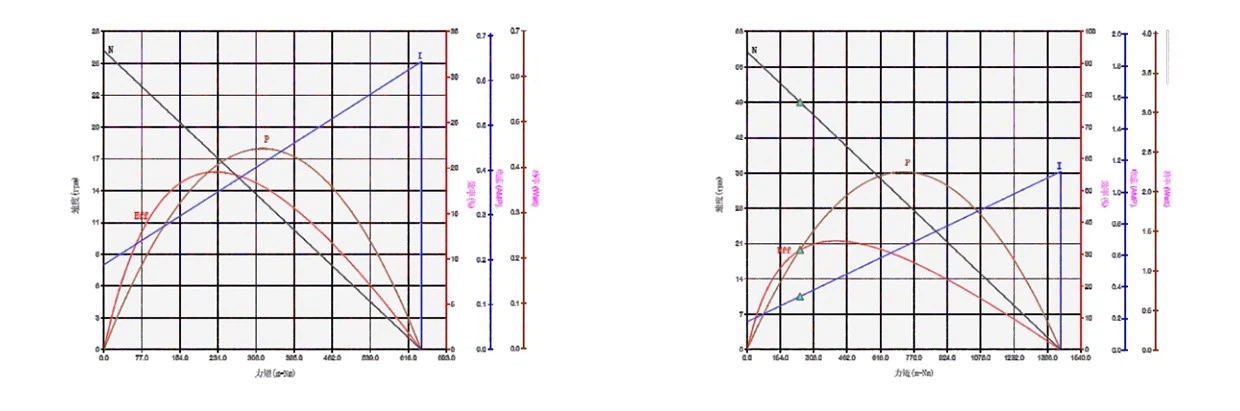

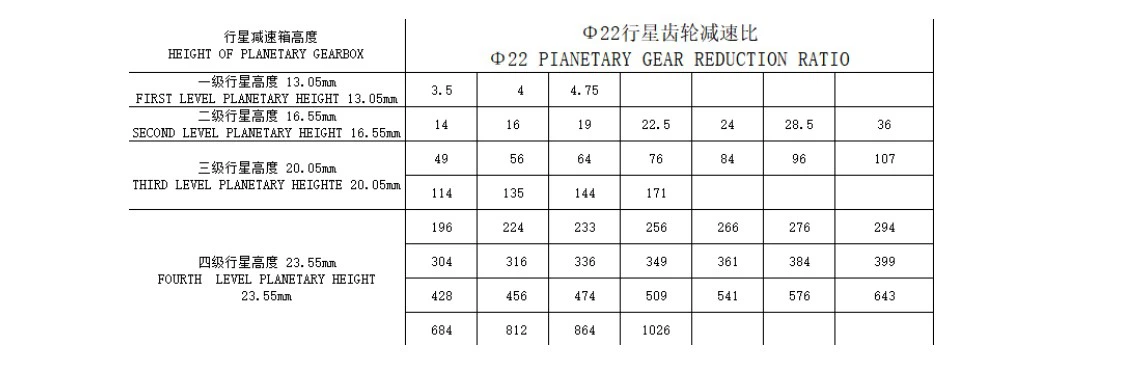
*The above data are from internal test results and do not represent accurate data.
| Product image |
|
|
|
||||
| Motor model | VSD-24P2418 | VSD-32G320 | VSD-58W3657 | ||||
| VOLTAGE | OPERATING RANGE | 8~16 | 18~26 | 5~6 | 8~16 | 8~14.4 | 22~26 |
| NOMINAL V |
12 | 24 | 6 | 12 | 12 | 24 | |
| NO LOAD | SPEED r/min |
137.88 | 302 | 147 | 307.5 | 5.29 | 11.6 |
| CURRNT A |
0.08 | 0.075 | 0.45 | 0.42 | 0.35 | 0.35 | |
| AT MAXIMUM EFFICIENCY | SPEED r/min |
98 | 235 | 116 | 255 | 4 | 9 |
| CURRENT A |
0.2 | 0.283 | 1.703 | 2.194 | 0.869 | 1.229 | |
| TORQUE mN.m |
62.498 | 105.63 | 278.254 | 513.351 | 3197.82 | 5415.105 | |
| OUTPUT W |
0.645 | 2.604 | 3.388 | 13.717 | 1.263 | 5.12 | |
| STARTING | TORQUE mN.m |
218.805 | 479.247 | 1331.142 | 3016.575 | 11140.506 | 24436.119 |
| CURRENT A |
0.5 | 1 | 6.443 | 10.7 | 2.159 | 4.318 | |
| Product design |
|
|
|
||||
| Product performance |
|
|
|
||||
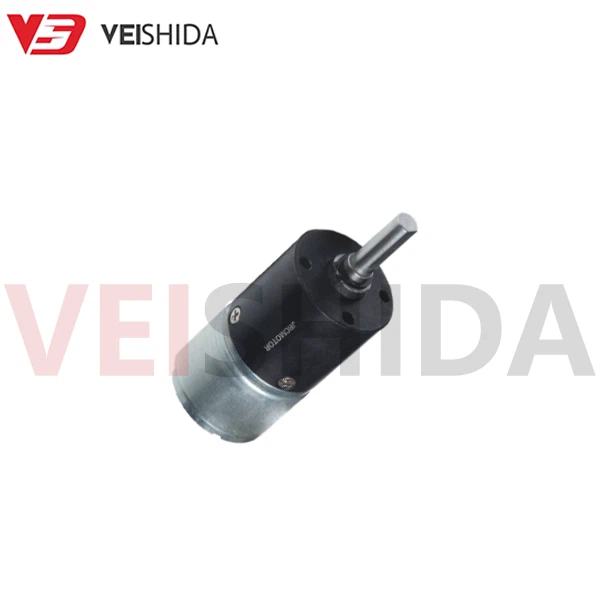
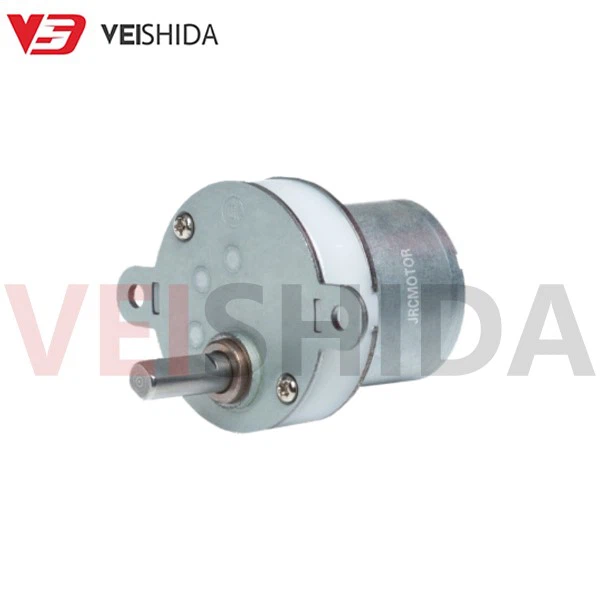
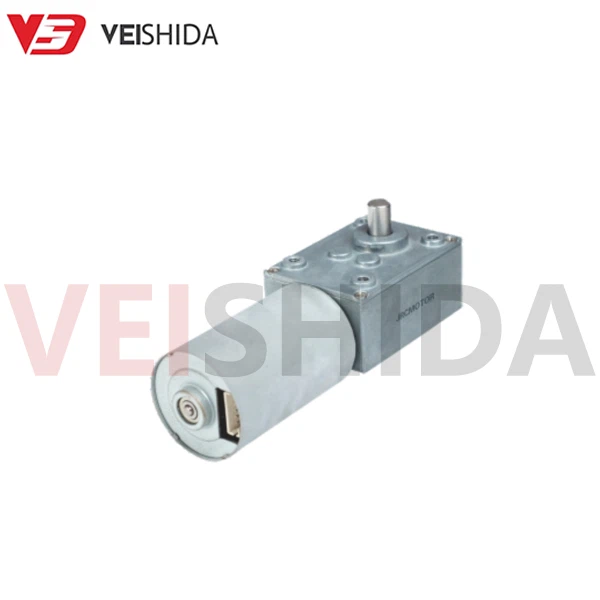



Learn more: VSD low speed high torque DC gear motor


