

DC motor speed control and speed measurement system circuit design
Leave a message
DC motor is a common driving device in industrial production, which has good starting and braking characteristics. I will give you a brief introduction to the circuit design of DC motor speed regulation and speed measurement system today.
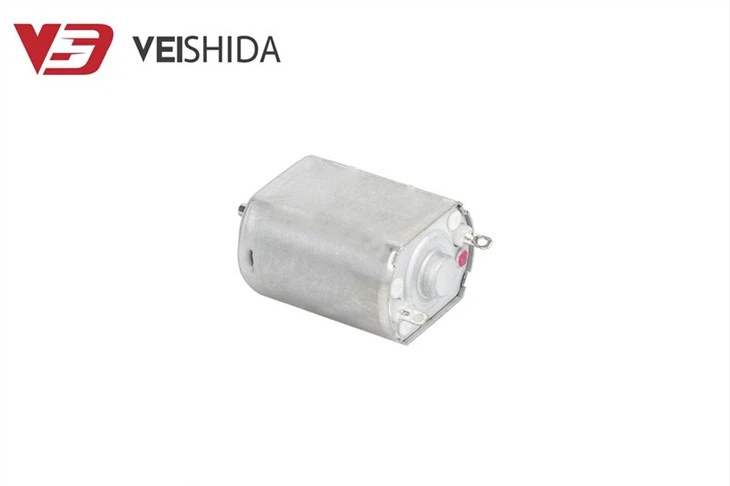
The qualities of DC motors include a wide range of speed regulation and smooth stepless speed regulation. The average amount of voltage output to the DC motor is calculated by the duty cycle of the PWM pulse signal. By varying the duty cycle, the output voltage can be varied, and it can be varied continuously and steplessly.

PWM, also known as pulse width modulation, is a method of controlling analog circuits using the digital output of a microprocessor. It is used in a wide variety of industries, including measurement, power management, and conversion. An analog control technique known as pulse width modulation modifies the transistor base bias and modifies the on-time of the transistor in response to changes in load. It is a very effective technique that uses the digital output of a microprocessor to control an analog circuit.

PWM has a wide range of uses, including regulating temperature, pressure and motor speed. In a PWM drive-controlled regulation system, the power supply is turned on and off at a fixed frequency, and the timing of "on" and "off" in a cycle is adjusted as needed. By varying the "duty cycle" of the voltage applied to the DC motor armature, the average voltage can be changed, which also affects the speed of the motor. For this reason, PWM is sometimes referred to as "switching drive". The average voltage output to the DC motor is based on the duty cycle of the PWM. Therefore, the output voltage can be constantly and steplessly controlled by modifying the duty cycle.
For more information, please feel free to contact Vshida Micromotors