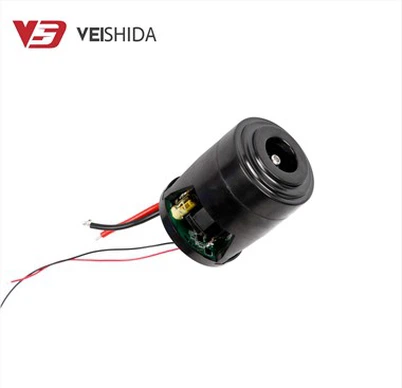


What are the common testing devices for motors?
Leave a message
In order to ensure the safe and reliable operation of the motor, each part of the motor has a corresponding detection device, so what are the components of the detection device include? Today to introduce to you

1、In terms of stator winding temperature monitoring and over-temperature protection: some low-voltage motors use PTC thermistors, with protection temperature of 135℃ or 145℃. The stator winding of high voltage motor has 6 Pt100 thermistors (3-wire system), 2 for each phase, 3 for working and 3 for standby.

2、In terms of bearing temperature monitoring and over-temperature protection: each bearing of the motor is set with one Pt100 double-branch platinum RTD (three-wire system), 2 in total, some motors just need to show the temperature on site. Motor shaft tile temperature should not exceed 80℃, alarm temperature 80℃, stop temperature 85℃. Motor bearing temperature should not exceed 95℃.

3、The motor is equipped with water leakage prevention measures: for water-cooled motor with water cooling, it should be generally equipped with water leakage detection switch, when the cooler leaks or a certain amount of leakage, the control system will issue an alarm.

4、Stator winding grounding differential protection: The relevant national standards stipulate that when the motor power is more than 2000KW, the stator winding should be equipped with grounding differential protection device.
The above is the Vshida micro-motor for you to introduce the motor commonly used detection device related content, more information, please feel free to consult us.