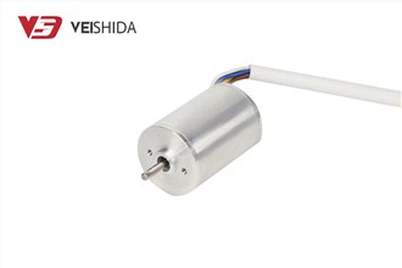


What are the requirements for the use of motors for industrial robots?
Leave a message
The drive of the motor is primarily responsible for enabling the industrial robot's free mobility during operation. What then are the specifications for using motors in industrial robots? Allow me to explain below

1. It can achieve control continuity and linearity: As the control signal changes, the motor's rotational speed can also vary continuously, and occasionally the rotational speed must be proportionate to the control signal.
2. Wide speed control range and resistance to challenging operating conditions: The motor's speed range for industrial robots should be between 1:1000 and 10000. It can execute relatively frequent forward and reverse rotation, acceleration, and deceleration operations, and can resist overload in a short amount of time to withstand difficult operating circumstances.
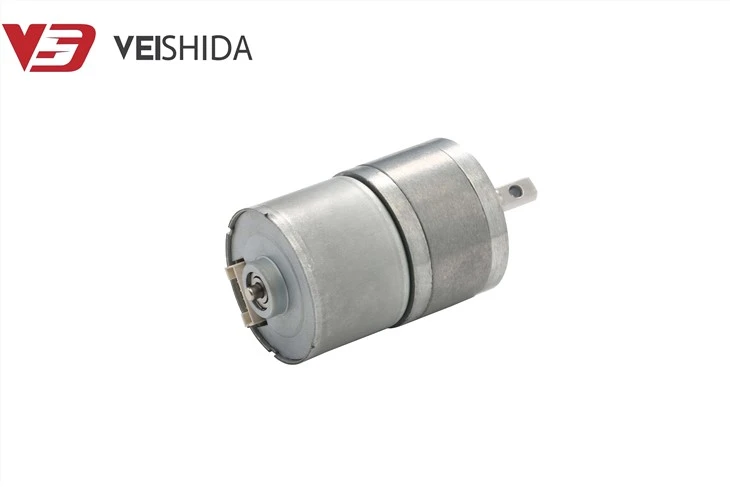
3. A high starting torque with a high inertia ratio helps reduce static friction on the rotor and resistance created when the motor drives the load. Starting torque is a torque that is 1.7 to 2.2 times greater than the specified torque at starting. The rigid body's moment of inertia, which primarily influences the mechanical response speed of the motor, is its inertia when it spins around an axis. The industrial robot's motor should have a high starting torque and a low moment of inertia when the load is being driven.

4. Effective response time: The motor should operate more quickly from the moment it receives the command signal until it executes the command. The higher the sensitivity and the better the fast response capability, the quicker the motor servo system responds to the command signal. The motor's ability to respond quickly is typically expressed using its electromechanical time constant.
To learn more about motors, feel free to contact us.