


What are the performance requirements to be met by the wire and cable of the motor?
Leave a message
The motor has certain requirements for the use of wire and cable, wire and cable performance to a certain extent affects the life and operation of the motor, today to give you a brief introduction to the motor wire and cable need to meet what kind of performance
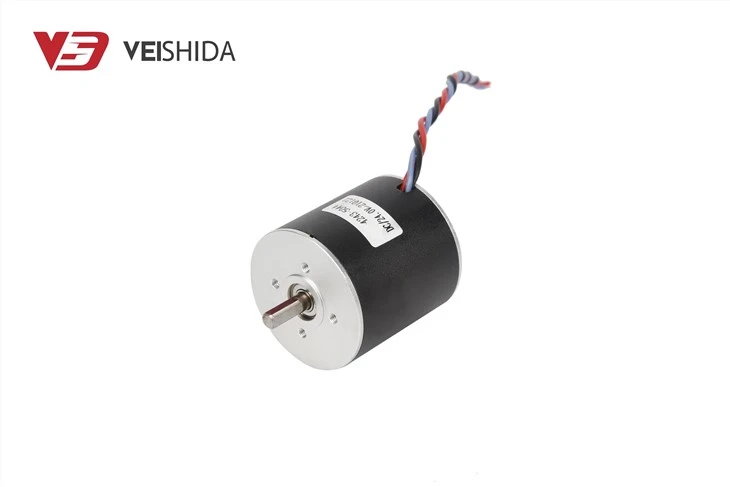
1. Electrical properties
That is, the electrical conductivity of the cable, good electrical conductivity is required in cable products, as well as a specific level of resistance range in individual items. In the case of motor products, the cable is an important part of the connection between the motor winding and the dragging equipment and needs to have good electrical conductivity and electrical insulation properties, the latter mainly refers to insulation resistance, dielectric coefficient, dielectric loss and resistance characteristics. In addition to the transmission performance of the cable for unique applications, it should also have high frequency transmission quality and anti-interference function.
2. Mechanical performance
Tensile strength, elongation, bending, flexibility, softness, vibration resistance, abrasion resistance, and resistance to mechanical force impact are the main characteristics. Motor products with cable and motor winding this line is connected to the base to appear through the hole and terminal block connection, for low voltage high power and high voltage motors, the number of leads across the parts may be more, and thus the mechanical properties of the cable and insulation performance requirements are higher, the implementation of the necessary protective measures for the cable is also very important.
3. Thermal performance
Relates to the product's rated temperature, operating temperature transmission wire and cable heat generation and heat dissipation characteristics, load capacity, short-circuit and overload capacity, thermal deformation capacity of synthetic materials and resistance to thermal shock, thermal expansion of the material, and impregnation or coating material drip performance. Different lead wires should be selected according to the thermal class of the motor.
4. Corrosion and weathering resistance
Refers to the ability of the cable to withstand biological and microbial erosion, chemical erosion (oil, acid, alkali, chemical solvents, etc.), salt spray erosion, light, cold, mildew and moisture erosion. In order to meet the requirements of special working conditions, lead wires should be carefully selected. Compliance with impregnation resistance is critical in the production and processing of motors, and most motor lead wires are impregnated and dried along with the windings.

5. Aging performance
It refers to the various external forces, including mechanical, electrical, thermal and other stresses, that affect the continued performance of the product and its component materials as expected. While thermal and electrical stresses account for a large proportion of the causes of lead wire aging in general purpose motors, other environmental factors, such as corrosive gases, can also lead to premature aging of insulation materials.
The above is about the use of motor wire and cable requirements, more information about the welcome to contact Vshida micro-motor at any time


