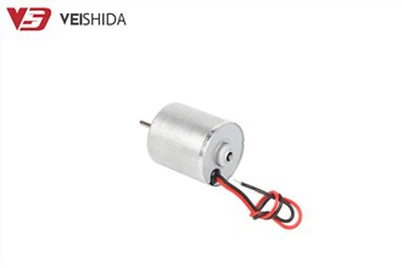


What are the types of motor housings?
Leave a message
The chassis is the main structural part of the motor, which has a large impact on the interchangeability and air gap uniformity of the motor and is complicated to process. Therefore, a reasonable choice of chassis is essential to the use of the motor, different motors are suitable for different chassis, the following is to introduce the type of motor chassis
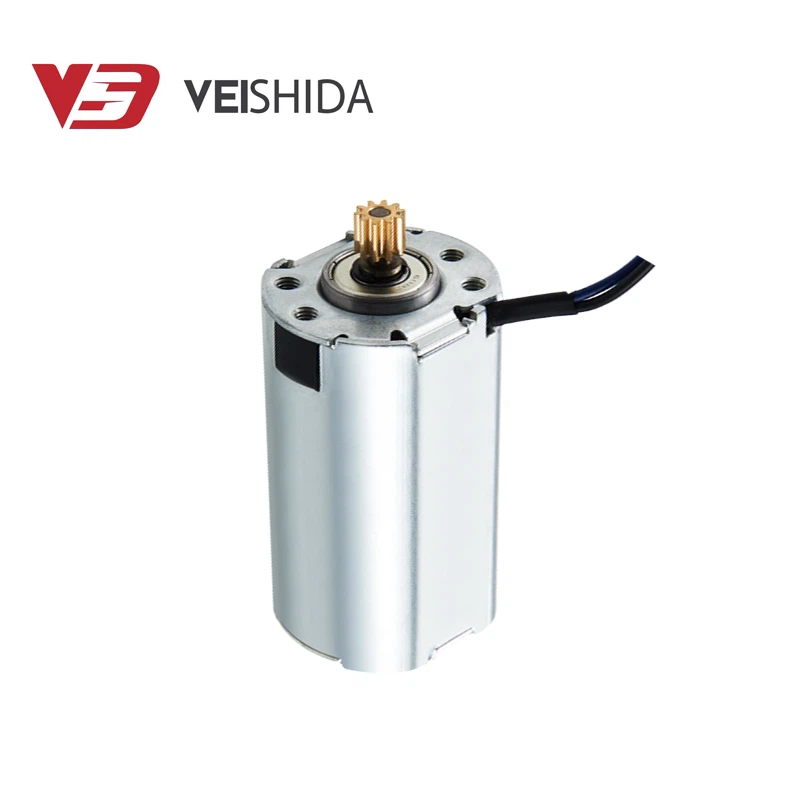
1. Magnetic conductivity: According to the magnetic conductivity of the chassis, it can be divided into magnetic conductivity chassis and non-conductive chassis. Magnetically conductive chassis are used for DC motors and rotary synchronous motors. Non-conductive bases are used for asynchronous motors, rotary synchronous motors and other motors with stacked stator cores.
2. Blank performance: Cast and welded chassis can be distinguished by different chassis blanks. Steel is used for welded chassis. Available cast chassis include cast steel, cast iron, and cast aluminum alloy. Cast steel or steel plate welded construction is generally used mostly in magnetic seats.
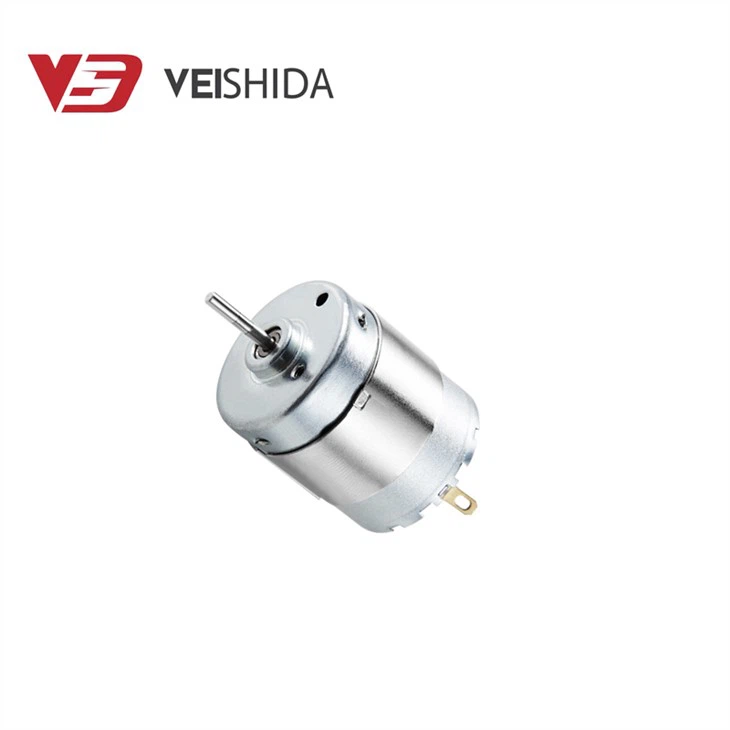
3. Seat materials: gray cast iron is generally used for non-conductive seats, cast iron seats are cheaper and simpler to produce, and their mechanical strength can withstand the requirements of most small and medium-sized motors. Only where high mechanical strength is required, such as explosion-proof motors and naval motors, high-strength cast iron or cast steel seats are used.
4. Light alloy: In recent years, in the mass production of small AC motors and micro-motors, the practice of die-casting aluminum-silicon alloy or aluminum-magnesium alloy into the chassis is becoming more and more common. The inner ring of the chassis does not require machining, removing some fasteners, while also reducing the weight of small motors, which is the difference between this structure directly on the stator core casting aluminum alloy. The disadvantages of aluminum alloy include its larger material cost, lower mechanical strength and poor wear resistance.
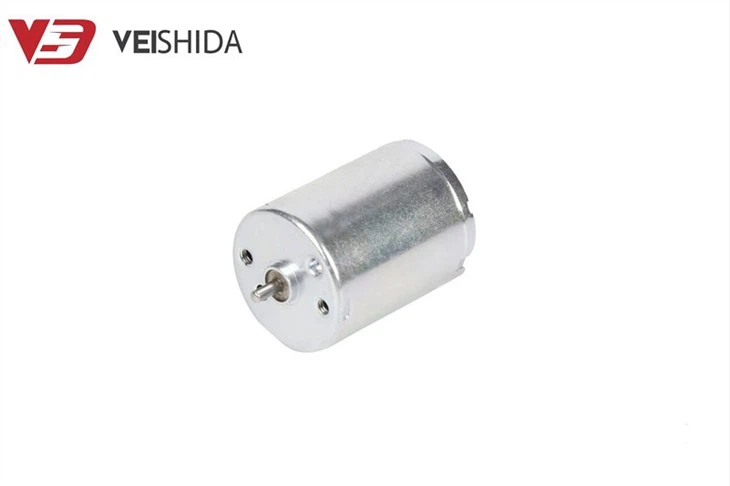
5. Welded chassis: Large motors with stator cores with an outside diameter of more than 1 meter have been commonly used with steel and steel plate welded chassis due to their small output and high motor weight. Compared with cast iron chassis, under the same conditions of mechanical strength and structural rigidity, the weight of welded chassis is lighter. When welding, no special mold is needed, therefore, the cost is lower and the production cycle can be shortened.
6. Integral and separated: According to the different seat structure, it can be divided into integral seat and separated seat. In general, the integral type is used. Separate seat structure is less rigid and has longer processing time. It has the advantage of easy installation and maintenance. Integral type seat is generally made into a simple shape of a circle with two or four feet in its lower part for mounting the motor. Cylindrical machine base has the best workmanship.
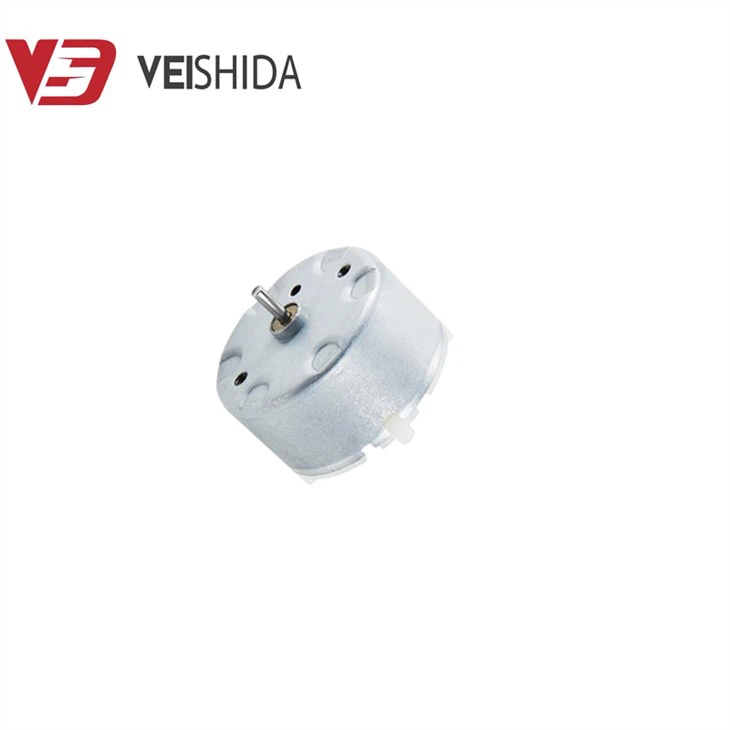
7. Other types: For example, according to the different ways of protection and cooling, they can be divided into open type, protection type, closed type, explosion-proof type, etc. Closed and explosion-proof type chassis generally have heat sink on the outer surface, while other chassis do not have heat sink. According to the presence or absence of machine feet, can be divided into organic feet and non-machine feet of the chassis.
The above is to introduce you to the type of motor chassis, you can choose the appropriate motor chassis according to the actual situation of their own motor, more information about the welcome to consult Vshida micro motor at any time!