


What are the technologies for motor shaft design?
Leave a message
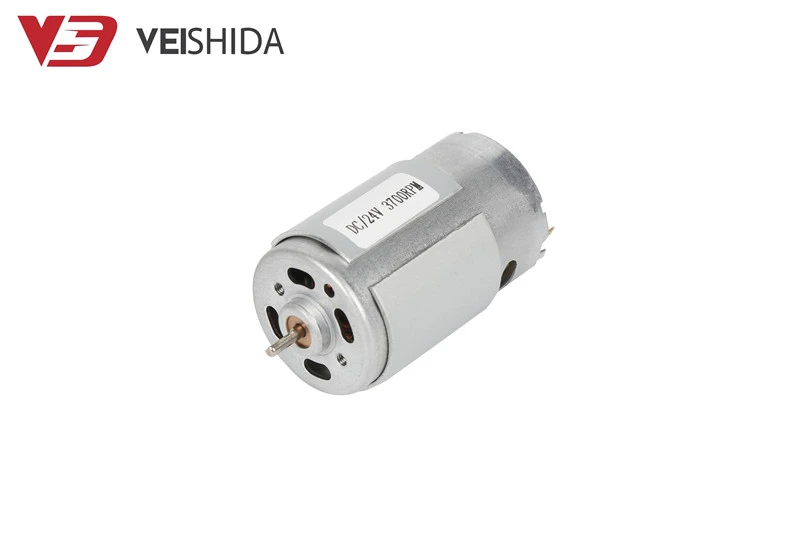
The motor shaft is the cylindrical part that protrudes from the motor and its housing. The shaft is the main support and connection for the armature part of the motor and the output of the power generated by the motor, and the shaft must meet specific technical standards, because improper motor shaft design can lead to insufficient shaft radius, and stress concentrations from changes in mounting position can cause catastrophic shaft failure in a short period of time. Today we will explain the design techniques for motor shafts.

1. Stiffness and strength
The mechanical forces and moments to which the shaft is subjected during motor operation depend on the type of motor and drive system. The main forces are the gravitational force of the rotor assembly itself, the unidirectional magnetic force from the rotor eccentricity, the centrifugal force from the unbalanced weight, and the load torque applied to the shaft by the drive equipment at the shaft extension end. In order to prevent residual deformation or damage from the motor's operating condition and shaft machining, the motor shaft must be sufficiently strong in the first place. At the same time, the motor shaft must have enough stiffness to make the shaft in operation,The critical speed of the shaft should also be taken into account, and there should be enough difference between the working speed of the shaft and the critical speed to prevent resonance, and it is important to monitor the critical speed when necessary, especially for high-speed motors.

2. Surface roughness
Surface roughness is a key surface quality control parameter. In the case of plain bearings, too high a surface roughness will directly damage the contact surface oil film and increase the wear of the bearing. Conversely, too low surface roughness will cause friction to form between the molecules of the shaft and the bearing, which is also harmful. Therefore, we often control the range in the use of different materials and differences in application conditions, the control range has changed accordingly. In the case of rolling bearings, when the surface roughness does not meet the requirements, the bearing part of the shaft reduces the contact surface of the inner ring of the bearing. With loosening, noise and bearing rattle are produced. The accuracy of the connection with the load device will be directly affected by the shaft extension part, which also tends to cause vibration and noise. The core section will cause the change of air gap between stator and rotor and the flatness of chip arrangement, which will affect the performance of the motor and the difficulty of chip winding.
3. Straightness (T.I.R.)
If the overall straightness of the shaft body does not meet the requirements, it will cause the unbalance of the shaft core part and cause the vibration of the motor, it will cause the contact surface of the shaft and bearing in the bearing part to be tilted, resulting in low motor speed and high current, and it will cause the connection vibration of the shaft extension part and make noise. In essence, the straightness of the shaft is a requirement for the normal operation of the motor. In special cases, the material of the shaft must exhibit a specific degree of corrosion resistance.
The above is the technical parameters of the motor shaft design, I hope it will help you, for more information, please feel free to consult Vshida micro-motor


