


What Are The Internal Structures Of The Brushless DC Motor Rotor?
Leave a message
BLDC motors are also known as electronically commutated motors (ECM), or simply EC motors. Other names for the motor are BLDC motor and BL motor. BL stands for brushless, indicating the structure and operation of the device, and DC stands for direct current motor. The following Vshida Micro Motor will briefly introduce the basic composition of the brushless DC motor rotor.
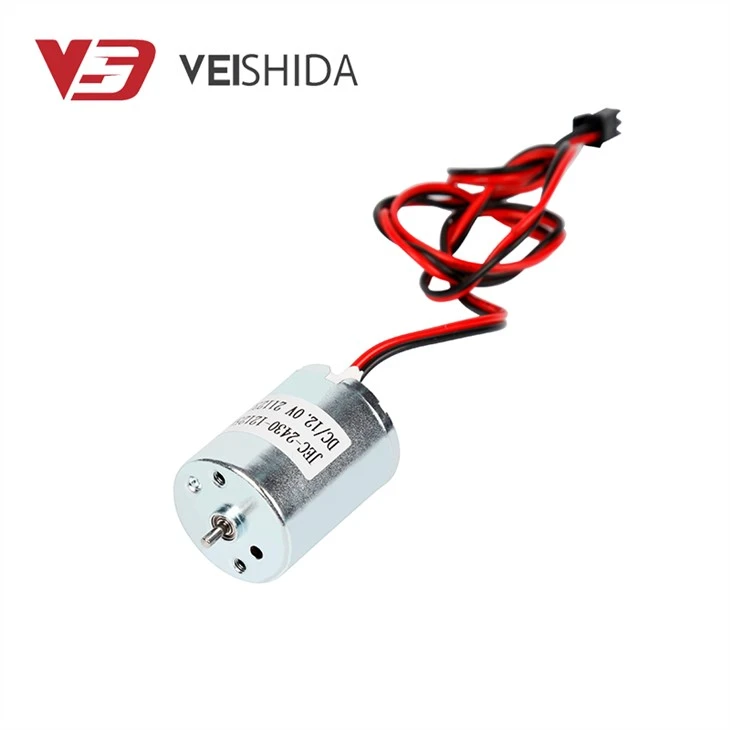
The rotor in a BLDC motor is a permanent magnet. The magnetic field it provides interacts with the magnetic field of the stator and achieves rotational motion. Different materials are used for this part. The most common are rare earth materials such as ferrite, neodymium, neodymium alloys, boron and samarium cobalt.
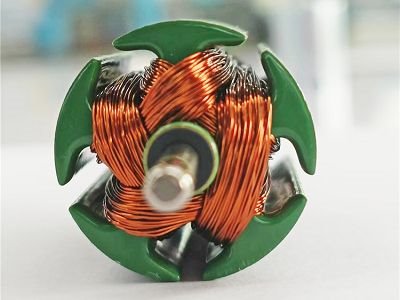
Just like the stator, the rotor of a BL motor may be on the outside (in a rotor motor) or on the inside (in a rotor motor). Each configuration has its advantages and disadvantages, including the ability to produce compact motors, rotor momentum, and more.
The number of poles in a BLDC motor rotor typically varies from 2 to 8. These are usually arranged in sequence, with opposite poles next to each other. Magnet placement also varies by application. They can be placed on the outer surface of the rotor, embedded or inserted into the core.
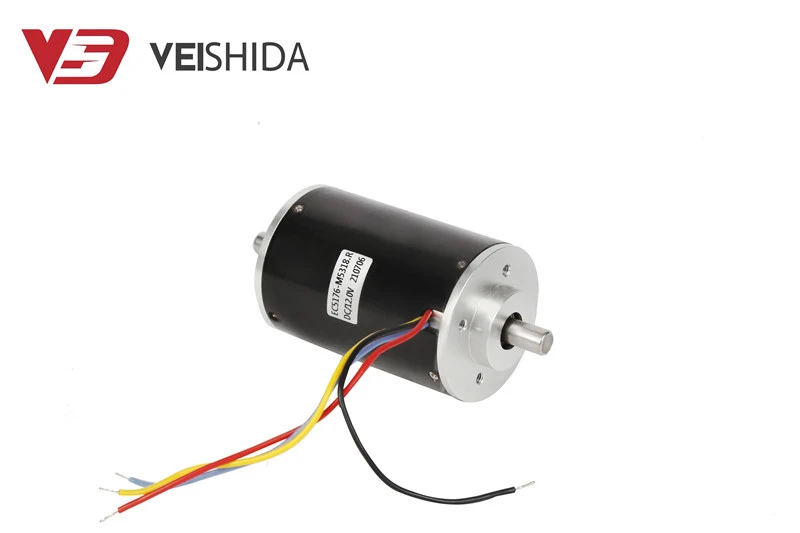
How the number of magnets or poles on the rotor affects the operating characteristics of brushless DC motor components. Having more poles increases the torque of the motor. However, it reduces the speed and smoothness of operation. The magnet material also has an effect on the motor, with high ferrite materials increasing torque.

The above is the basic composition of the brushless DC motor rotor we introduced to you. For more information, please contact us. Welcome to consult us at any time.


