

Why Are Drones So Popular Around The World Its Development And Future
Leave a message
As an innovation of modern science and technology, UAV is not only a concept in science fiction, but increasingly becomes an important tool in all walks of life in the real world. With the rapid development of technology and the surge of market demand, drones are gradually changing the way we live and work. From aerial photography to agricultural spraying, from logistics distribution to public security, drones have been applied in many fields, and have become an important force to promote scientific and technological progress and improve industry efficiency. Globally, UAV not only receives policy support from governments, but also attracts a lot of capital investment and innovation incentives, promoting the rapid development of the industry.
In the past few years, UAV technology has experienced a leap forward, and technological breakthroughs such as four-rotor UAV, automated control system and smart sensor have made it more efficient, intelligent and popular. At the same time, policy-level support has also provided a solid guarantee for the development of the drone industry, especially in agriculture, logistics, public security and other industries where the application has been vigorously promoted by the government.
Today, drones have gone beyond the boundaries of traditional aviation technology and become an important driver of digital transformation in all walks of life. With the further development of technology and the continuous expansion of application fields, the future of UAVs is full of infinite possibilities.
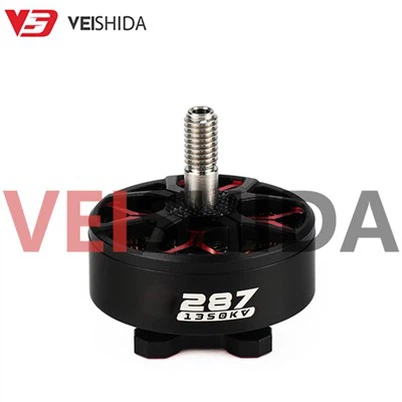
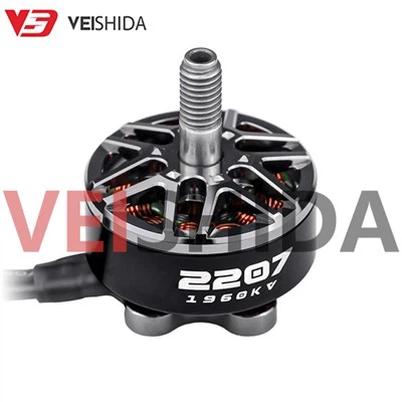
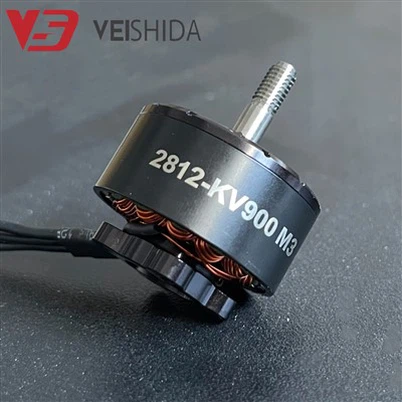
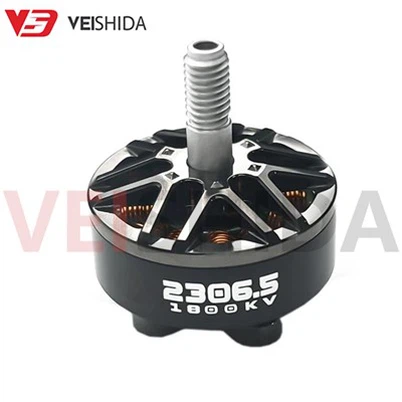
Note: VSD professional DIY and customize your exclusive Drone Motor
Why drones are hot and booming

1. Technological progress and cost reduction
The rapid development of UAVs is closely related to technological progress, especially the emergence of four-rotor UAVs, which greatly improves flight stability and control. At the same time, with the continuous maturity of sensors, positioning systems, camera technology and automatic control technology, its operation has become more intelligent and refined. Technological breakthroughs make its application scenarios continue to expand, and the aircraft itself has become more lightweight, stable and efficient. At the same time, lower production costs have made drones no longer the exclusive tool of tech giants, but affordable for individual users and small businesses, thus driving the adoption of the market.
2. A wide range of application areas
The popularity of drones also stems from their widespread use in many industries. From aerial photography and agricultural spraying to urban inspection, surveying and mapping, they cover almost all fields. Especially in agriculture, it can accurately spray and monitor greatly improve the efficiency of crop management; In the logistics and express delivery industries, it improves distribution efficiency by reducing transportation time and labor costs; And in high-risk industries such as power inspection and post-disaster rescue, it can reduce the risk of manual operations. In addition, its military application also demonstrates its unique strategic value, from reconnaissance to precision strikes, the versatility of UAVs is fully demonstrated.
With continuous technological breakthroughs and the expansion of application fields, UAVs will continue to occupy the forefront of science and technology in the future and become the core driving force of intelligent transformation in various industries.
3. Social and economic benefits
The popularity of drone technology has not only brought significant social and economic benefits, but also promoted the booming development of multiple industries. For example, in the field of aerial photogrammetry and geographic information system (GIS), its high efficiency and accuracy make aerial photography and data collection more convenient and economical, and greatly improve the efficiency of the industry. In the field of logistics and express delivery, the application of drones provides innovative solutions for last-mile distribution, reducing labor costs and improving transportation efficiency.
In addition, applications in disaster relief, environmental monitoring, public safety and other fields have also played a vital role. After natural disasters, drones can quickly enter disaster areas for efficient reconnaissance and send back data in real time to help rescue teams formulate the most effective rescue strategies. In terms of environmental protection, drones can carry out large-scale climate monitoring, ecological inspections, and even wildlife protection to help people better protect natural resources and the ecological environment.
4. Market demand and popularization of entertainment
As consumer interest in drones continues to increase, the market demand has exploded, especially in the entertainment and consumer sectors. Drone aerial photography has become a popular way for people to record their lives, travel and activities, not only as a tool for professional photographers, but also as part of everyday entertainment for ordinary consumers. From capturing magnificent natural landscapes from the air, to documenting family gatherings and special events, the popularity of drones has enabled everyone to experience the joy of aerial photography.
In addition, the rise of racing drones (FPV drones) has breathed new life into the drone industry. FPV (First Person View) drone racing has become a popular sport worldwide, attracting a large number of enthusiasts to get involved. By wearing virtual reality glasses, pilots can fly through the air at high speeds and enjoy an exciting experience comparable to racing cars. This form of entertainment not only promotes consumption, but also promotes continuous progress in speed, stability and operational accuracy.
5. Integration of artificial intelligence and automation technologies
The continuous development of artificial intelligence (AI) and automation technology has greatly improved the intelligence of drones, further promoting its application in many fields. Today, drones not only have the ability to fly autonomously, but can also automatically plan flight paths, avoid obstacles and perform precise operations according to preset tasks. Combined with computer vision technology, they can also recognize the surrounding environment in real time and carry out complex tasks such as image recognition, object tracking and target positioning.
The integration of artificial intelligence makes drones more intelligent and efficient in carrying out tasks. For example, in agriculture, smart drones can autonomously analyze crop growth and carry out precise fertilization and spraying; In power inspection, AI technology can be used to detect the status of power equipment and accurately identify potential points of failure. The trend of automation and intelligence of UAVs is expanding its application range in various industries, from a simple flight tool to a multi-functional, fully automated intelligent platform.
 6. Policy support and supervision improvement
The rapid development of the drone industry cannot be separated from the active support of governments and the gradual improvement of regulatory policies. In recent years, many countries around the world have recognized the huge potential brought by drone technology, so they have introduced a series of policy measures to promote the development and application of drone technology, while strengthening industry supervision to ensure the safe and compliant use of drones.
In Europe, the European Union implemented a unified Drone Regulation (EU Drone Regulation) in 2020, which aims to regulate the operation and management of drones. The European Commission has also launched a cross-border drone operations support scheme, which simplifies the process for companies to deploy drones in multiple European countries. This initiative has provided a more convenient operating environment for multinational companies and promoted the further development of the drone industry in Europe.
China and India are also actively promoting the use of drones in agriculture. The Chinese government supports the use of agricultural drones, which aim to increase crop yields and reduce the use of pesticides, while also modernizing rural industries. India is encouraging the use of drones in agricultural spraying, monitoring and other applications to improve agricultural production efficiency.
The US government is also actively introducing policies to support it. For example, in 2021, the US issued the Remote ID Rule, which provides a concrete framework for the flight safety and regulation of drones. In addition, the US government has encouraged the wide application of drones in agriculture, logistics, public security and other fields through financial assistance and policy guidance, which have further promoted the popularity and application of drone technology.
The introduction of these policies not only provided legal protection for the drone industry, but also encouraged enterprise innovation and technological development through measures such as simplifying the approval process and increasing capital investment, which promoted the explosive growth of the drone market.
7. Capital investment and innovation incentives
The investment of capital and the incentive of innovation are one of the key factors to promote the development of the drone industry. Governments and private investors have increased their investment in drone technology, which has promoted the technological progress and application expansion of the industry.
In 2023, Skydio, a leading drone manufacturer in the United States, raised $170 million in funding, bringing its total funding to more than $600 million. The funding will be used to advance Skydio's autonomous drone technology and expand its use in commercial areas such as construction, public safety, surveying and more. In addition, German medical drone startup Wingcopter raised $42 million in Series A funding in 2022 to expand its medical drone delivery business and develop drones capable of transporting medical supplies over long distances. The injection of these funds not only provides impetus for the development of drone companies, but also brings more innovation and breakthroughs to the industry.
In addition, the US Department of Transportation is also increasing its investment in drone infrastructure, pledging to invest $31 million in 2022 to expand drone infrastructure and support local governments in using drones for public services, including traffic monitoring, package delivery and disaster management. The Chinese government has also continued to increase funding for the drone industry in recent years, especially in terms of infrastructure construction, technology research and development, and enterprise support. Through policies such as setting up special funds and tax relief, enterprises are encouraged to carry out innovative research and development, and the industrialization of drone technology is promoted.
Behind these funds and policy support is the global recognition of the huge potential of drone technology and enthusiasm for investment. With the continuous inflow of funds and continuous breakthroughs in technology, the future of the drone industry will be more vibrant, and industrial applications will continue to broaden, driving changes in all areas of society.
Note: VSD has customized high-quality motors for more than 10 years to help your drone
The development of drones: Changing lives, the world and between countries
 The rapid development of drone technology is profoundly changing the way we live, work and operate the global economy. From entertainment applications in daily life to social relief, economic prosperity and international cooperation on a global scale, unmanned aerial vehicles have undoubtedly become an important technological driving force in the new era.
1. Revolutionizing life and work
Entertainment and media: Diversity of shooting angles
Drones often first attract public attention for their use in entertainment and media. By carrying high-definition cameras, drones break the limitations of traditional shooting and provide aerial views, making shooting angles more diverse. From movies and TV shows to short videos on social media platforms, drones have given creators unprecedented freedom and creative space. Nowadays, aerial photography has become an indispensable tool for shooting unique visual effects and documentaries, especially in the shooting of natural landscapes, urban buildings and major events, showing its irreplaceable advantages.
Logistics distribution: Changing the traditional distribution model
Drones are becoming a powerful tool in logistics distribution, especially in "last mile" deliveries. While traditional logistics modes often require a lot of manpower and time, drones can greatly improve distribution efficiency and reduce transportation time and labor costs. For example, Amazon and other tech companies have begun to explore drone delivery, with the goal of getting small packages to consumers quickly via drones. This not only enhances the shopping experience, but also optimizes supply chain management, which is expected to revolutionize the traditional express delivery industry in the future.
Precision agriculture: Improve the efficiency and precision of agriculture
The use of drones in agriculture is pushing agriculture toward greater intelligence and precision. Agricultural drones can carry out precise plant protection operations, such as spraying pesticides, fertilizing, and monitoring the growth status of crops. With high-precision sensors and high-definition cameras, the drone can comprehensively scan farmland, detect pests and diseases in time, help farmers take measures in advance, avoid excessive fertilization and pesticide waste, and improve agricultural production efficiency and crop yield. In addition, the drones can also monitor factors such as soil moisture and climate change in real time, providing data support for precision agriculture.
2. Global impact
Disaster rescue: quickly enter the disaster area for investigation and rescue
In the event of a natural disaster, drones provide unprecedented emergency response capabilities. Drones are able to quickly enter disaster areas for reconnaissance, photograph the disaster situation in real time, and help rescue teams formulate the most effective rescue plan. For example, in earthquakes, floods, fires and other disasters, traditional rescue teams are often limited by the impact of traffic and terrain, unable to quickly enter the disaster area, while drones can quickly fly over the disaster area, obtain real-time data, find the seriously affected areas, and provide timely decision support for rescue workers. Whether it is aerial reconnaissance or material delivery, the application of drones in post-disaster rescue has greatly improved the efficiency of rescue and saved more lives.
Economy and Trade: Driving manufacturing prosperity and job creation
The development of drone technology is not only enabling new industries to flourish, but also driving global economic growth. As a high-tech product, the production of drones requires a large amount of advanced materials, precision manufacturing and high-end technical support, which has brought new development opportunities for related manufacturing industries. The demand for drones has promoted the development of industries such as electronics, machinery and software, creating a large number of jobs. According to market research reports, the global drone industry is expected to bring hundreds of thousands of jobs to countries, from production, design and testing to operation and maintenance, and the rise of the drone industry is helping to diversify the economy.
At the same time, the use of drones is creating new trade opportunities in the global economy.
Drone technology has become an important competitive force in many fields, from logistics to agriculture to photography. In particular, major UAV manufacturing countries such as China, the United States and Europe, with the help of the export of UAV technology, have not only promoted the optimization of the global supply chain, but also promoted the growth of international trade. The international application of UAV technology has promoted the technical cooperation and trade between countries, and prompted multinational companies to work more closely in the global layout.
3. The relationship between countries and global influence
 Military applications: Enhancing national security and international competitiveness
The application of UAV technology in the military field has significantly improved the security and defense capabilities of various countries and changed the shape of wars and conflicts. Uav is widely used in reconnaissance, surveillance, target attack and other tasks, and has become an indispensable part of modern military operations. Compared with traditional fighter jets and satellites, UAVs not only have a lower cost, but more importantly, they can complete high-risk tasks without risking personnel. The aerial reconnaissance function of UAVs enables the military to grasp the dynamics of the enemy in real time and optimize strategic decisions. At the same time, it can also accurately strike targets on the battlefield, greatly improving combat efficiency.
In addition, the role of UAVs in anti-terrorism operations cannot be ignored. In the global fight against terrorism, many countries have adopted UAVs to carry out reconnaissance, monitoring and strike operations. The U.S. MQ-9 Reaper has played an important role in counterterrorism operations in the Middle East, helping the United States and its Allies pinpoint and target terrorists. This efficient and precise approach to combat has made UAVs an essential part of the global military force.
With the increasing application of UAVs in the military field, the need for UAVs management and cooperation between countries is also growing. To ensure the safe use of UAVs in international airspace, countries are strengthening cooperation and coordination in UAV technology, airspace management and emergency response. The transnational use of UAVs and their potential military conflicts are also prompting more international cooperation on drone regulation and protocols around the world, pushing for a globally consistent regulatory standard for UAVs.
International Cooperation and competition: Shaping the Global strategic landscape
With the proliferation of drone technology, cooperation between countries is also increasing. In order to ensure the safe use of drones and minimize risks in cross-border flights, international drone regulatory cooperation and standard-setting have become a global focus. Regulators in regions such as the European Union and the United States are pushing for unified drone flight standards, including regulations on flight altitude, airspace management, flight control, etc., so that drones can follow common rules and safety requirements when flying across borders.
In addition, international cooperation is also reflected in the commercial application of drones
For example, in the field of global logistics and express delivery, multinational companies are solving the "last kilometer" distribution problem through drones, boosting the development of international e-commerce and logistics industries. Multinational companies such as Amazon and Alibaba are collaborating on drone logistics projects to break the geographical restrictions of traditional supply chains and facilitate the smooth flow of global trade.
The popularity of drones is subtly changing the global strategic landscape. With the wide application of UAV technology in military, economic, environmental protection and other fields, cooperation and competition between countries have been launched on a new level. Uav is not only an important part of national defense modernization, but also has a profound impact on global supply chains, international trade, environmental protection and other aspects.
In the future, UAVs will no longer be a tool of "wrestling" among countries, but will become an important platform to promote global technological cooperation, strengthen transnational economic cooperation, and jointly address global challenges. Through international cooperation and competition, countries will become increasingly dependent on each other in the field of UAVs, and promote the global strategic pattern towards closer integration of science, technology and economy.
4. Contribution to environmental protection and climate monitoring
Effective environmental monitoring: the eyes of the Earth
The efficient environmental monitoring function of drones is becoming an important tool to deal with global environmental problems. Equipped with advanced sensors, cameras and equipment such as laser radar (LiDAR), drones can collect all kinds of environmental data in real time to provide more accurate monitoring results. Especially in remote areas of the Earth, where traditional monitoring methods are often limited by resources and manpower, drones can carry out all-weather and uninterrupted environmental monitoring in a low-cost and efficient way.
In terms of air pollution monitoring, UAVs can fly to a high altitude that is difficult to reach for real-time pollutant collection and data transmission. In terms of water quality monitoring, Marine drones can go deep into the ocean, collect water samples and detect water quality changes, so as to better deal with Marine pollution problems.
Nature protection: protecting the precious resources of the earth's ecology
The use of drones has also greatly promoted the management of nature reserves. Through aerial reconnaissance by drones, environmental organizations and government departments are able to better monitor the ecological conditions of nature reserves and detect illegal activities or acts of environmental damage, such as illegal logging and poaching, in time. Drones can help environmental protection personnel obtain accurate and real-time data, improve the efficiency and accuracy of conservation area management, and avoid the destruction of ecological resources.
The role of drones in forest fire warning and response should also not be ignored. Drones can fly to the scene of a fire, quickly survey the fire and fire source, and provide timely information for the fire brigade to help them formulate more scientific and efficient fire fighting strategies. The UAV's high-altitude viewing Angle and remote operation function make disaster response faster and more accurate.
Climate change response: Enhancing emergency response capabilities
The use of drones in responding to climate change and natural disasters is also growing. For example, drones can be used to monitor the melting rate of glaciers, changes in sea level and the impact of extreme weather, thus providing important data for global climate change research. In some regions with severe climate change, drones can carry out real-time monitoring of regional indicators such as temperature, humidity and air pollution, helping scientists better understand climate change trends and formulate countermeasures.
In addition, the use of drones to monitor forest fires, clean up Marine garbage, and protect wetlands has been applied, demonstrating the great potential of drones as an environmental protection tool. Drones can quickly and accurately enter those hard-to-reach areas, providing efficient and convenient solutions for environmental protection.
Note: Learn about the strength of VSD's custom Drone Motor
The impact of drone development on the micromotor market
 With the rapid development of drone technology, it has not only changed the operation mode of many industries, but also had a profound impact on the micromotor market. The flight performance requirements of UAV are getting higher and higher, which poses a more stringent challenge to the demand for micromotors, and promotes the continuous innovation and progress of motor technology. The following are several major impacts of the development of UAVs on the micromotor market:
Surge in demand for high-performance motors
The performance of drones continues to improve, and the requirements for motors have become more stringent. In order to meet the longer endurance, higher flight efficiency and better handling performance, the motor must have higher efficiency, smaller size, longer service life and lower weight. This makes high-performance micromotors the core support for the development of UAV technology, and promotes the motor industry's continued investment in innovative technologies and high-quality materials.
Continuous innovation in motor design and technology
The special needs of drones have played a strong role in promoting the design and technical development of motors. In order to improve flight efficiency and reduce motor weight, motor manufacturers have made a lot of innovations in materials, structural design and drive technology. For example, the use of lightweight, high-strength materials, improved motor rotor design, and the development of smarter motor control systems have significantly improved motor performance. The requirements of drones for motors in heat resistance, shock resistance and power density have also prompted micromotor technology to continuously break through technical bottlenecks.
Diversified motor demand and customization trend
With the diversification of UAV application scenarios, from consumption-type entertainment drones to high-end FPV traversers, agricultural monitoring drones, and then military drones, the demand for motors for different types of drones varies greatly. This has prompted motor manufacturers to provide more diversified product choices to meet different uses and functional needs. Customized services have become a key trend in the market, with motors of different power, torque, size and weight becoming the first choice for consumers and industry users. This change has pushed micromotor manufacturers to continuously innovate in production process and design to provide personalized solutions.
The progress of battery and motor supporting technology
The flight performance of the UAV not only depends on the high efficiency of the motor, but also needs to be closely coordinated with the battery system. With the increasing demand for longer flight time and higher endurance of drones, the supporting technology of batteries and motors has improved significantly. The improvement of battery energy density and the improvement of motor efficiency complement each other and jointly promote the innovation of UAV technology. In the future, the collaborative optimization of batteries and motors will become a key factor in improving the overall performance of UAVs.
Explosive growth in market demand
The wide application of UAV technology has promoted the rapid growth of the micromotor market. Whether in the field of consumer electronics, or industrial, agricultural, military and other industries, the popularity of drones has greatly increased the demand for efficient and reliable micromotors. From recreational UAVs to professional industrial applications, motor manufacturers have ushered in unprecedented market opportunities. With the continued popularity of drones and the expansion of their application range, the micromotor market will also continue to expand, driving the rapid development of the industry.
Note: VSD provides professional customized Drone Motor, its own manufacturers, support to see the factory
VSD Drone Motor manufacturer
 VSD is a professional micromotor manufacturer integrating research and development, production and sales, and is committed to providing customers with high-performance Drone Motor solutions. The company has its own factory, covering an area of more than 10,000 square meters, with strong production capacity and advanced production equipment. Whether visiting online or offline, VSD welcomes customers to keep abreast of its production processes and technical strength.
Customized services to meet individual needs
VSD understands that each customer's needs for motor performance are different and therefore offers flexible customized services. Whether it is performance conditioning or exterior design, VSD supports customers' DIY needs. With a dedicated team of engineers and designers, VSD is able to provide precise solutions according to customer requirements, ensuring that each motor is tailored to the specific application scenario.
Strong production capacity and efficient delivery
VSD has an automated production line, which greatly improves production efficiency and ensures that the production demand of more than 200,000 motors per month is met. The company pays attention to every detail in the production process, from proofing to mass production, the proofing time can usually be completed within 3-7 days, and the delivery accuracy is as high as 98%. This enables VSD to provide customers with timely and stable supply services around the world.
Complete certification and professional testing
As a leading micromotor manufacturer in the industry, VSD has obtained CE, REACH, ROHS, IAFT16949 and other international standards certification, and has 50+ patents to ensure that product quality meets the requirements of the global market. In order to further ensure the stability of motor performance, each motor has undergone rigorous testing, VSD uses advanced test instruments for performance testing, and the test data is organized into a detailed performance report to ensure that customers understand the parameters of the motor.
VSD's professional ability and innovative spirit make it a reliable partner in the field of unmanned aerial vehicles, continuously providing customers with high-quality, high-performance motor products and customized services.