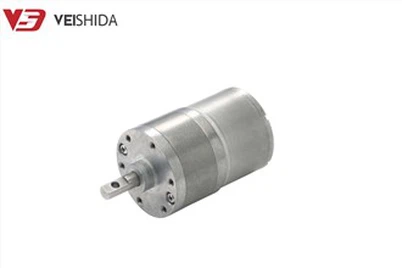


What is a micro vacuum pump?
Leave a message
What is a micro vacuum pump?
It is a pump that can generate a low-pressure environment and is used for small-volume pumping, boosting or pumping. Its main structure includes a pump head, a motor, a compressor, and a controller. It is usually used in micro-instruments, such as Micro connectors, microfluidic chips, microneedle perfusion systems, etc. It uses a motor to drive the impeller to rotate, thereby generating negative pressure, sucking in surrounding air or gas, and discharging it to form a vacuum environment.

Structural features
Micro vacuum pumps are usually small in size, light in weight, low in power consumption, low in noise, easy to operate, and have a wide range of applications.
1. Small and light, small size, easy to carry and install.
2. Oil-free and pollution-free, suitable for occasions requiring high-purity gas.
3. High performance, able to achieve high vacuum pumping effect.
4. Capable of continuous operation, stable and reliable.
5. Equipped with advanced controller, which can realize automatic control and monitoring.
6. Simple operation, easy maintenance and long service life.
7. It is suitable for various occasions that require pumping or pumping, such as laboratories, medical equipment, electronic equipment, etc.

It works as follows:
1. When the motor rotates, it drives the rotor to rotate.
2. The gap between the rotor and the impeller is very small, the gas is repeatedly pushed in the gap, and the high-speed rotation of the impeller pushes the gas out to the centrifugal direction.
3. The released gas enters the vacuum chamber and forms a vacuum through filtration and centrifugal force.
Oil-free design reduces wear and gas contamination and is suitable for oxygen-sensitive applications. At the same time, due to its small size and low power, it can be easily integrated into various small devices.
The components of the micro vacuum pump:
1. Motor: Miniature vacuum pumps usually use a DC motor, which provides the power required by the pump.
2. Rotor: It is composed of a rotating shaft and an impeller. The rotating shaft drives the impeller to rotate through the rotation of the motor to form a vacuum.
3. Baffle: Divide the pump into two parts, high pressure and low pressure.
4. Pump body: The casing of the vacuum pump is usually made of metal, plastic and other materials, which can effectively protect the internal components.
5. Inlet and outlet valves: control the inflow and outflow of gas.
6. Power cord: Connect the motor and power supply to provide power.

Application fields of DC vacuum pump:
It can be applied to beauty home appliances, mother and baby products. For example, it can be used to absorb blackheads, clean facial skin, use it on various breast pumps, help mothers to breastfeed their babies smoothly, etc., and can help adjust the negative pressure to achieve the desired effect.
1. Beauty instrument: The miniature vacuum pump can be applied to absorb and clean blackheads, acne and dirt on the facial skin. For example, blackhead extractor, vacuum cleaner, etc.
2. Maternal and baby products: Miniature vacuum pumps can be used in baby snot pumps, nipple pumps, milk extractors and other maternal and baby products to help mothers take care of their babies' healthy growth.
3. Household appliances: Miniature vacuum pumps can be used in household vacuum cleaners, air purifiers and other products to clean the home environment.
4. Medical devices: Miniature vacuum pumps can be used to attract human tissues, body fluids and secretions, such as attracting gas and excrement in the gastrointestinal tract, as well as attracting tissue and blood at surgical and traumatic sites.
5. Others: Miniature vacuum pumps can also be used in industries such as automobiles, cosmetic sprayers, and catering equipment, and have various functions of suction, transportation, transmission, and discharge.

Performance parameters and selection points of micro vacuum pumps:
1. Pumping speed: refers to the volume of gas pumped out per unit time. Miniature vacuum pumps are usually small and light, and the pumping speed is between 1-200ml per minute.
2. Ultimate pressure: refers to the highest vacuum that the vacuum pump can draw. Micro vacuum pumps are usually capable of reaching an ultimate pressure of 10-2-10-5 Pa.
3. Noise: Due to the small power of the motor used in the micro vacuum pump, the noise is generally low, generally below 50 decibels.
4. Optional voltage and frequency: The optional power supply voltage and frequency of the micro vacuum pump are relatively wide. The common voltages are 3V, 3.7V, 6V, 12V, 24V, and the common frequencies are 50Hz and 60Hz.
5. Working environment: It is usually required to work in a dry, dust-free, and non-corrosive gas environment.
6. Interface specifications: Vacuum pumps of different types often have interfaces of different specifications, and the appropriate interface specifications need to be selected according to actual needs.
When selecting a micro vacuum pump, it is necessary to emphasize the matching of performance parameters such as pumping speed, ultimate pressure, and noise. At the same time, attention should also be paid to the adaptation of factors such as the working environment and interface specifications.

Maintenance:
1. Regular cleaning: In the process of using the micro vacuum pump, it is necessary to clean the dust and dust on its surface frequently in order to maintain its normal working condition. Cleaning can be done with a soft cloth and detergent.
2. Regularly replace the sealing ring: the sealing ring is one of the important parts of the micro vacuum pump, which can ensure the stability of the vacuum in the pump body. Therefore, pay attention to check whether the sealing ring is worn or aged during use, and if so, it needs to be replaced in time.
3. Check the oil level frequently: The oil in the micro vacuum pump is the key factor to generate vacuum, so it is often necessary to check the amount of oil to ensure that the oil level is within the appropriate range. If the oil level is not enough, you need to add oil in time.
4. Frequently check the power cord: the power cord is a necessary condition for the micro vacuum pump to start and work, so it is necessary to check frequently whether the power cord is normal, whether there is damage or aging and other factors.
5. Check the filter regularly: The filter is one of the important components of the micro vacuum pump, which can effectively protect the parts in the pump body from dirt or impurities. It is therefore necessary to check the filter regularly to ensure it is clean and undamaged.